

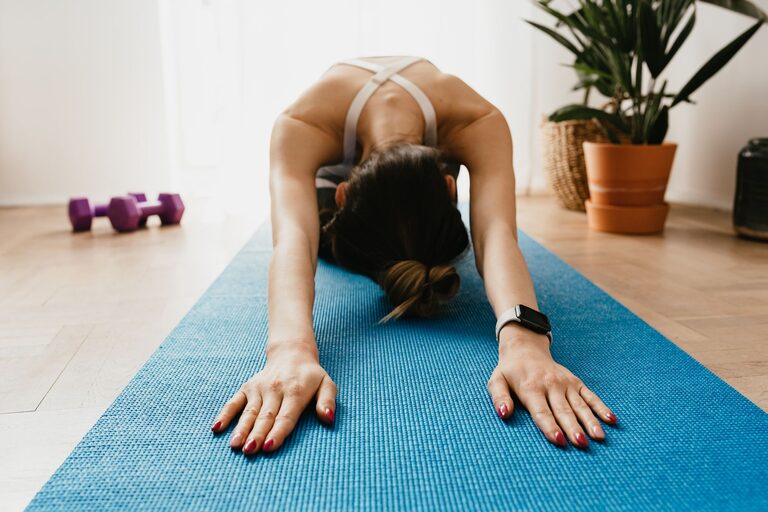
Stretching is a simple yet powerful way to enhance your physical well-being, improve flexibility, and ease muscle tension. Whether you’re new to stretching or looking for a straightforward routine to do at home, this beginner’s guide will walk you through the basics, helping you build a habit that supports your overall health.
Why Stretch at Home?
Stretching doesn’t require special equipment or a gym membership, making it a perfect activity to do at home. Regular stretching can:
– Increase your range of motion
– Improve posture
– Reduce muscle stiffness and soreness
– Decrease the risk of injury
– Help relieve stress and promote relaxation
By setting aside just 10–15 minutes a day, you can enjoy these benefits without interrupting your daily routine.
Getting Started: What You Need
One of the best things about stretching at home is its simplicity. Here’s what you’ll need:
– A comfortable, quiet space with enough room to move freely
– A yoga mat or soft surface (optional but recommended)
– Comfortable clothing that allows movement
– A timer or clock to keep track of your routine
No fancy gear or experience required!
Basic Stretching Principles
Before diving into specific stretches, keep these tips in mind to stay safe and get the most from your practice:
– Warm up slightly before stretching: Light activity like walking or marching in place for 3–5 minutes warms muscles and joints.
– Stretch slowly and gently: Avoid bouncing or jerking movements.
– Hold each stretch for 15–30 seconds: This allows muscles to relax and lengthen.
– Breathe deeply: Inhale and exhale slowly during stretches to promote relaxation.
– Listen to your body: Stretching should never cause sharp pain. Mild tension is normal, but stop if you feel discomfort.
– Be consistent: Stretch regularly for lasting benefits.
Sample Beginner Stretching Routine
Here’s a simple full-body routine that targets major muscle groups. Aim to do this 3–5 times a week.
1. Neck Stretch
– Sit or stand tall.
– Slowly tilt your head to the right, bringing your ear toward your shoulder.
– Hold for 20 seconds, feeling the stretch on the left side of your neck.
– Repeat on the left side.
2. Shoulder Rolls
– Stand or sit with a straight back.
– Roll your shoulders forward in a circular motion 10 times.
– Then roll them backward 10 times.
3. Chest Stretch
– Stand with your hands clasped behind your back.
– Straighten your arms and gently lift your hands while opening your chest.
– Hold for 20–30 seconds.
4. Cat-Cow Stretch (Spine Mobility)
– Start on your hands and knees.
– Inhale, arch your back, lifting your head and tailbone (Cow pose).
– Exhale, round your spine, tucking your chin and tailbone (Cat pose).
– Repeat 5 times, moving slowly with your breath.
5. Seated Hamstring Stretch
– Sit on the floor with one leg extended and the other bent.
– Reach toward the toes of your extended leg, keeping your back straight.
– Hold for 20–30 seconds, then switch legs.
6. Quadriceps Stretch
– Stand and hold onto a chair or wall for balance.
– Bend your right knee and bring your heel toward your buttocks.
– Hold your ankle with your right hand, keeping knees close together.
– Hold for 20 seconds, then switch legs.
7. Calf Stretch
– Stand facing a wall, one foot forward and one foot back.
– Keep the back leg straight with heel on the floor and bend the front knee.
– Lean into the wall until you feel a stretch in the calf of the back leg.
– Hold for 20–30 seconds, then switch legs.
Tips for Success
1. Create a Stretching Space
Set up a dedicated area at home where you can stretch comfortably. This helps build routine and motivation.
2. Use Reminders
Set alarms or calendar notifications to remind yourself to stretch. Consistency is key, especially at the beginning.
3. Track Your Progress
Notice improvements in your flexibility or how you feel after stretching. This can keep you motivated.
4. Combine with Other Activities
Stretching before and after other forms of exercise, like walking or yoga, enhances benefits and aids recovery.
When to Avoid Stretching
Avoid stretching cold muscles or joints that are injured or inflamed. If you experience sharp pain or discomfort during stretching, stop and consult a professional if needed.
Additional Resources
If you want to explore more guided stretching routines, many free videos and apps are available online for beginners. Look for those that focus on gentle, beginner-friendly techniques.
—
Stretching at home is an accessible way to nurture your body and mind. With just a few minutes each day, you can improve your flexibility, reduce tension, and boost overall wellness—all without leaving your living room. Start slow, listen to your body, and enjoy the process of moving more freely.